


A triple-digit Texas afternoon takes the normal walk off the table, but your dog can still exercise safely in the early morning, well after sunset, or indoors with games and training that burn energy without the heat. Before any warm-weather walk, press the back of your hand to the pavement and hold it for seven seconds, because asphalt that burns your skin will blister paw pads and radiates heat straight up into the dog walking on it. Keep summer outings slow and sniff-heavy rather than fast fetch or jogging, and head home the moment you notice heavy panting, thick drool, or a dog who suddenly wants to lie down.
Those signs can tip into heat stroke quickly, and the same summer that makes walks risky puts pressure on cats and indoor pets too. Spring Branch Veterinary Hospital sees heat stroke emergencies in the thick of the Texas summer, and during our weekday hours you can call ahead or come straight to the hospital if your dog is in trouble. We keep IV fluids on hand and run bloodwork in our own lab, which shows us how the kidneys and liver weathered the heat. For help shaping a warm-weather routine your dog can keep safely through the hottest months, request an appointment and we will put together a plan that suits your dog’s age, coat, and fitness. If overheating strikes on a weekend or after we have closed, do not wait for us: go straight to the closest veterinary ER.
What to Know Before the Next Hot Walk
- Dogs and cats shed heat mainly by panting, not sweating, so they overheat far faster than people once the air turns hot and humid.
- Heavy panting, thick drool, bright red gums, wobbliness, or collapse are signals to start cooling and call us right away.
- Cool tap water running over the belly, armpits, and paws plus a fan is the right first move at home, never an ice bath and never force-fed water.
- A pet who looks recovered after cooling can still develop organ or clotting problems over the next one to three days, so veterinary monitoring matters.
When Is It Actually Too Hot to Walk My Dog?
There is no single temperature that works for every dog, but the practical line for most healthy adult dogs sits somewhere in the mid-eighties, and it drops fast as humidity climbs. A young Lab and a twelve-year-old Bulldog standing on the same driveway are having two completely different experiences. Use the table below as a starting point, then adjust for the dog you actually have.
| Conditions | Usually workable | What to change |
| Below 75 degrees | Normal walk length and pace | Bring water and check the pavement |
| 75 to 85 degrees | Shorter walks on shaded routes | Move the walk to early morning or after sunset |
| 85 to 95 degrees | Brief potty breaks and sniffing | Grass only, no pavement, no fetch or jogging |
| Above 95 degrees, or high humidity at any temperature | Indoor activity | Skip the outdoor walk entirely |
Humidity is the part most families underestimate. Panting cools a pet by evaporating moisture, so when the air is already damp, that system stalls out. A muggy 85-degree morning can be harder on a dog than a dry 95-degree one.
Water is the other option worth remembering around here. A shaded stretch of the Guadalupe River or a quiet spot on Canyon Lake lets a strong swimmer burn energy without the heat load of a walk, as long as you know your dog swims well, and watch for the fatigue that sneaks up on dogs in the water.
Why Does My Dog Overheat So Much Faster Than I Do?
Dogs and cats carry very little of the sweat machinery we rely on, so their main cooling tool is panting, with a small assist from the sweat glands in their paw pads. That system falls behind fast in hot, humid air, and some pets start the race with a real disadvantage.
Body build, coat, age, and overall health all shift how well a pet handles a scorching afternoon. Thick double coats trap warmth. Very young puppies and kittens, gray-muzzled seniors, and pets carrying extra weight or managing heart or airway conditions all tire faster in the heat. Flat-faced breeds sit in a category of their own: a shortened airway makes panting far less efficient, and brachycephalic thermoregulation improves noticeably when these breeds are kept lean rather than carrying extra weight.
Because the risk is so individual, a wellness exam and body-condition check gives us a starting point. We can tell you where your pet lands on the weight scale, flag any heart or breathing concerns, and tailor a heat plan to the animal in front of us rather than a generic rule. For older pets, senior care visits are also where arthritis, heart disease, and laryngeal changes turn up, and each of those quietly narrows how much heat a dog can handle.
How Do I Know If My Dog Is Actually Having Heat Stroke?
Heat stroke builds through stages, and reading it early is the difference between a scary afternoon and a life-threatening emergency. The earliest signs of heat stroke in pets are easy to miss: heavy panting, restlessness, thick drool, and gums that shift from healthy pink toward brick red as the body overheats.
As overheating deepens, a pet may stumble, seem disoriented, vomit, or have diarrhea. In the most severe cases they collapse, tremor, seizure, or lose consciousness.
| Stage | What you might see | What to do |
| Early or mild | Heavy panting, restlessness, extra drool, pink-to-red gums | Stop activity, move to shade or AC, offer sips of water |
| Moderate | Very red gums, wobbling, glassy stare, vomiting or diarrhea | Start active cooling and call us on the way in |
| Severe | Collapse, tremors, seizures, pale or muddy gums, unresponsiveness | Emergency: cool and transport immediately |
Not every panting dog on a July walk is in crisis. Panting that settles within a few minutes of rest and shade is normal cooling. Panting that keeps escalating, or comes with drool and a stagger, needs action now. If you have a thermometer at home, a rectal temperature above 104 degrees means start cooling and get moving.
What Should I Do First If I Think My Pet Is Overheating?
The goal in the first few minutes is steady, controlled cooling while you head for veterinary care, and how you cool matters. Start active cooling with cool tap water and airflow rather than an ice bath, since very cold water can cause surface blood vessels to constrict and actually trap heat.
Work through these steps calmly, in order:
- Move them out of the heat. Get your pet into shade, an air-conditioned room, or in front of a fan before you do anything else.
- Wet the right spots. Pour or sponge cool to tepid tap water over the belly, armpits, groin, and paws, where blood runs close to the surface. Keep it flowing rather than letting it sit.
- Add airflow. A fan or the AC vent over damp skin carries heat away far faster than water alone.
- Offer small sips only. Let your pet drink a little cool water if they want it, but never pour water into the mouth or force it, which risks choking.
- Skip the wet-towel wrap. A soaked towel left draped over the body traps heat instead of releasing it. Wet the skin and keep air moving over it.
- Do not overcool. Once your pet is bright, alert, and breathing easier, ease off. Cooling too hard can swing the body temperature too low.
Then call us, because cooling that starts before the drive is what protects the organs. During our weekday hours, emergency care happens right here: call ahead so we can prepare, or come straight in if you can’t get to the phone. We are closed on weekends, so if the emergency lands then or after hours, cool your pet and head for the nearest veterinary ER without delay.
What Happens Once We Get to the Hospital?
Hospital care runs in three layers, all at once: controlled cooling, aggressive fluid replacement, and close management of the organ complications that carry the highest risk of death in the first 24 hours. Working all three at the same time is what changes outcomes, since none of them succeeds alone.
The first layer is finishing the cooling job safely, with the pet’s temperature monitored continuously so it lands in a normal range and doesn’t overshoot. The second layer is volume replacement, where IV fluids restore the blood pressure and circulation that the heat and dehydration stripped away. The third layer is watching for and heading off the damage heat leaves behind in the kidneys, liver, gut, and clotting system.
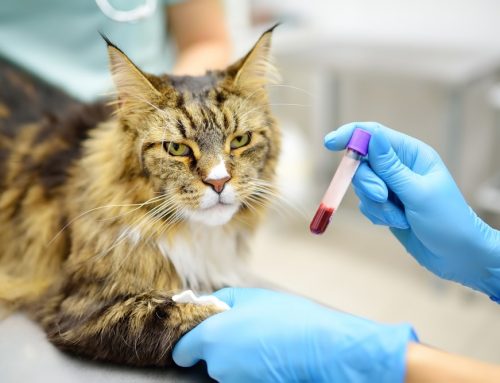
Bloodwork drives many of those decisions. Labs run in near real time show how the kidneys and liver are holding up, whether electrolytes have gone haywire, and how the blood is clotting, so we can adjust quickly instead of waiting on an outside result. The sooner the cooling starts and the fluids go in, the better the odds.
My Dog Seems Fine Now, So Are We in the Clear?
A pet who perks up after cooling still deserves close watching, because delayed organ complications can surface over the following one to three days as the kidneys, liver, heart, and gut reveal the damage the heat left behind.
Systemic inflammation, dehydration, kidney or liver dysfunction, heart rhythm changes, and gastrointestinal bleeding can all show up on a delay. The most dangerous of them is disseminated intravascular coagulation, a collapse of the clotting system that can cause internal bleeding hours after the heat event.
Monitoring is how we stay ahead of it. Repeat bloodwork tracks organ trends over the hours that matter. For pets who find clinic time stressful, our Fear Free approach keeps those hours as calm as we can make them. It is also worth knowing that a dog who has overheated once tends to be more vulnerable the next time, so the summer after an episode calls for a more conservative routine.
How Do I Keep My Pets Cool When the Heat Won’t Let Up?
Most heat emergencies are preventable, and reliable heat safety is built from small, steady habits: water within reach, shade breaks taken before a pet starts to pant hard, and outings timed around the worst of the heat.
A few practical building blocks make that easy to live by:
- Hydration and gear. Keep several clean water bowls filled around the house and yard, pack a collapsible bowl for outings, and offer a cooling mat or a damp towel to lie on.
- Smart exercise timing. Most of preventing heat stroke during summer exercise comes down to timing. Around Spring Branch, that means walking in the early morning or after sundown, with both distance and intensity dialed back on humid days.
- Never the car. A parked car can gain roughly twenty degrees in the first ten minutes and keep climbing from there, which is why hot vehicles take pets’ lives every summer. A cracked window does almost nothing, and even a quick errand is too long. If your pet was shut in a hot car, call us right away and start cooling while you head in.
Indoors, the aim is comfort without boredom. Air conditioning, fans, and access to cool tile keep the temperature down during peak hours. Swapping a midday walk for indoor boredom busters tires a pet out mentally without the exertion that drives body temperature up. A frozen treat puzzle, a snuffle mat, or a few DIY enrichment toys will do it.
What About Outdoor Cats in the Summer Heat?
Cats who spend time outside need heat planning of their own. Outdoor cat safety comes down to several shaded water stations refilled often, a ventilated shelter out of direct sun, and an easy route back to a cool indoor spot during the hottest hours.
Cats are quiet about discomfort, so the setup has to do the work. A safe enclosure or supervised time outside limits sun exposure while still giving them fresh air, but during peak afternoon hours the kindest option is often indoors.

Summer Heat Questions Pet Families Ask Us Most
Is heat stroke only a risk on the very hottest days?
Heat stroke isn’t reserved for the hottest days on the calendar. High humidity, thick coats, and exertion can push a pet into trouble on a merely warm, muggy day, especially seniors, puppies and kittens, overweight pets, and flat-faced breeds. Panting works by evaporating moisture, and when the air is already damp, that cooling system stalls. A pet running hard on an 80-degree day with heavy humidity can overheat, which is why timing, shade, and water matter all season.
Should I shave my dog’s coat for summer?
Usually not, and this is one of the most common summer mistakes. A double coat insulates against heat as well as cold, so shaving it removes protection rather than adding relief, and it exposes skin that has never seen direct Texas sun to sunburn. Some double coats also grow back patchy or coarse. Regular brushing to strip out the dead undercoat does far more good. Single-coated breeds are a different conversation, so ask us before the clippers come out.
Can cats get heat stroke, or is it mostly a dog problem?
Cats absolutely can. They tend to seek out cool hiding spots and slow down on their own, so we see it less often, but kittens, senior cats, flat-faced breeds like Persians, and any cat trapped somewhere hot, such as a garage, sunroom, or car, are all at real risk. Watch for open-mouth panting, which is abnormal in cats and a signal to cool them and call us right away.
How long does it take a dog to recover from heat stroke?
It depends on how hot they got and how fast cooling started. A mild, quickly cooled episode may pass within a day, while severe cases need hospitalization and monitoring over several days, sometimes at an emergency or specialty hospital, so the organs can be tracked as they recover. Follow-up bloodwork and staying alert for lingering signs like poor appetite, weakness, or dark urine round out the recovery.
Your Plan for a Safe Texas Summer
Heat stroke is a true emergency, but it’s also one of the most preventable ones we see, and quick recognition plus early cooling genuinely saves lives. With the right summer routine, your dog can still get the exercise they need and your whole household can enjoy the season safely. You don’t have to figure the plan out alone, either. To build one that fits your pet’s age, coat, and fitness, schedule a summer wellness check, and our veterinarians will walk you through what safe looks like for your household.



Leave A Comment