


The body condition score is a 1-to-9 hands-on rating, and is how veterinarians sort out whether the extra pound or two on your pet actually matters, independent of breed, frame, or what the scale says. You feel along the ribs, look down at the waist from above, and check whether the belly tucks up from the side. That hands-on read adjusts for the different body types of a greyhound, bulldog, or dachshund in a way a single number on a scale never can, and it gives your family and your veterinary team a shared way to track real change over time.
At Spring Branch Veterinary Hospital, our longer appointment slots mean a weight conversation isn’t squeezed as an afterthought into the last two minutes of a wellness exam; we score every dog and cat, walk you through the number, and talk through exercise and nutrition plans that work for your family. Our in-house lab helps us check for the thyroid and metabolic causes that sometimes drive weight gain. Digital X-ray lets us see the joint changes and early arthritis that often run alongside it, with laser therapy on hand to keep older pets moving comfortably while the pounds come off. If you want a plan that fits your pet and the way your family actually feeds them, book a weight-loss assessment today.
The Bottom Line on Body Condition
- A pet’s healthy weight is best judged by feel, not the scale, since two dogs at the same weight can be in wildly different shape depending on how much is muscle versus fat.
- Portion control does most of the heavy lifting in weight loss, so measuring meals and treats against your pet’s ideal weight matters far more than adding an extra walk.
- Slow and steady wins, because crash diets almost always rebound, and in cats a rapid calorie cut can trigger a dangerous liver disease.
- Sometimes stubborn weight change is a medical signal, so a quick blood panel can catch thyroid, hormone, or organ problems hiding behind the number.
Can I Run the Body Condition Check Myself at Home?
You can run this check yourself at home. It’s a three-part hands-on check: look down from above for a waist behind the ribs, look from the side for a belly that tucks up, and run your hands over the ribs to feel the padding. On an ideal pet, the ribs feel easy under a thin fat cover, like the bones in the back of your hand.
Running from 1 for severely underweight to 9 for obese, body condition scoring gives every number a look and feel you can match at home, with 4 to 5 being the sweet spot for most dogs and cats. Here’s the quick version of what each range feels like:
| BCS range | What you feel and see |
| Underweight (1-3) | Ribs, spine, and hip bones are obvious and sharp; little to no fat cover; an exaggerated tuck and often visible muscle loss. |
| Ideal (4-5) | Ribs felt easily with a light fat layer; a visible waist from above; belly tucks up from the side. |
| Overweight (6-7) | Ribs are hard to feel under a thicker layer; waist is fading; the belly starts to sag or lose its tuck. |
| Obese (8-9) | Ribs are very hard or impossible to feel; no waist; a rounded, hanging belly and fat pads over the hips and base of the tail. |
Try this monthly, and pair it with giving your heartworm preventative or grooming appointment so it becomes a habit. It matters most with fluffy coats, where thick fur hides two or three pounds until the change is dramatic; there, your hands tell you far more than your eyes. A low-stress, Fear Free visit at Spring Branch Veterinary Hospital is a good place to learn the feel of an ideal score on a pet. Just reach out and we’ll teach you how.
If My Pet Weighs the Right Amount, Are We Actually in the Clear?
Not necessarily. The scale gives you one flat number, and it can’t tell you what that number is made of. Body condition scoring reads fat and muscle together, so it catches the pet who looks fine on paper but is soft in the wrong places, or lean and quietly losing muscle in a way weight alone would never show.
Because muscle is denser than fat, two pets can hit the same number and be in completely different shape, and a fit, well-muscled dog can weigh more than a flabby one of the same breed and be far healthier for it. That’s why we watch muscle, not just pounds.
Breed and build matter too. A whippet is supposed to show a little rib and a deep tuck; a bulldog never will, and that’s normal for the frame. What looks “ideal” in a show ring isn’t always kindest to a pet’s joints and longevity, since a heavier, blockier look can quietly load the hips and spine for years. The more useful question isn’t “what does the scale say,” it’s how your pet moves, how easily they get up, and how they feel doing the things they love. We check your pet’s body condition at every visit so a slow drift, up or down, gets caught while it’s still an easy fix.
What Does Extra Weight Actually Do to My Pet’s Body?
Extra pounds don’t sit quietly; they strain nearly every system in the body, from the joints to the heart to the way a pet handles a hot afternoon. The risks stack up the longer a pet stays overweight, which is why catching the drift early matters. Here’s what that strain looks like in practice:
- Joints and spine: Extra load wears cartilage faster and drives arthritis, and every extra pound loads the spine, so intervertebral disc disease can escalate from stiffness to an emergency surgery when a disc finally gives way.
- Urinary system: Overweight pets face a higher risk of urinary stones, which can cause painful, sometimes dangerous blockages.
- Heart and blood pressure: A heavier body means the heart works harder, and extra weight is linked to high blood pressure that strains the whole cardiovascular system. The longer that load stays on, the more it wears the heart down.
- Overheating and breathing: Fat insulates, so overweight pets overheat faster and face a real risk of heat stroke, and flat-faced breeds struggle even more to move air when there’s extra pressure on the chest. That one bites hardest through a Hill Country summer, when a heavy dog can be in trouble on a walk a lean dog would shrug off.
- Anesthesia: Excess weight makes anesthesia riskier and harder to dose safely for any procedure.
The clearest cost of all shows up in obesity and lifespan, where pets kept lean simply get more healthy years than those carrying extra pounds. That’s the number worth remembering when the begging eyes come out at dinner.
What About Pets Who Are Too Thin?
Underweight pets carry their own serious risks, and being on the low end of the scale is not automatically “safe.” Too little body reserve weakens the immune system, so infections hit harder and hang on longer. Thin pets struggle to stay warm, lose muscle that makes everyday movement harder, and heal more slowly from illness, surgery, or injury. If your pet is scoring on the low end, that’s worth a look, not a shrug. We offer same-day care during our regular hours and can build a plan for a pet who’s dropping weight before it becomes a bigger problem.
Does an Extra Pound or Two Really Hit My Wallet?
More than most families expect, and it shows up in two places: the bowl and the exam room. Love often shows up as an extra biscuit or a bite of dinner, which is a normal response; we’re all guilty of wanting to sneak them a snack and see that tail wag. But an overweight pet is eating more food than their body needs, and those extra calories quietly add up to hundreds of dollars a year in food alone.
The bigger bills come later. Carrying extra weight raises the odds of diabetes, and the daily insulin and monitoring it demands turn into one of the largest ongoing bills a pet’s family can face. Arthritis is another slow drain, often meaning years of pain medication and rechecks, and spinal problems from the extra load can end in emergency surgery. Keeping a pet lean isn’t just kinder, it’s cheaper, and it usually buys more good years together. None of this is about guilt; we’re here to help you find the balance, not to make you feel bad for loving your pet with snacks.
How Do I Fill the Bowl to Match My Pet’s Real Needs?
Feed for the pet your dog or cat should be, not the one on the scale today. Portions built around ideal weight are the single biggest lever in a weight plan, and most bags overshoot because their guidelines aim high. A calorie calculator turns that ideal-weight target into a real number instead of a rough guess.
Then measure it. A cheap kitchen scale or a proper measuring cup beats the “scoop that looks about right,” which is how overfeeding sneaks in a quarter-cup at a time. And count everything: the calorie math only works if the dental chew, the training treats, and the crust of toast off the counter all go in the ledger. There are helpful portion guidelines that walk through the variables, but the habit that matters most is measuring, every meal, every day.
A pet’s ideal weight is a moving target, not a fixed one. Puppies and kittens are growing and burning fuel fast, adults need steady maintenance, and seniors can quietly lose muscle even while fat creeps up, which the scale alone won’t reveal. That’s why a body condition check belongs at every wellness visit, so trends surface before they become problems. Our veterinary team partners with you to adjust the plan as your dog or cat grows, matures, and eventually slows down.
One serious warning for cat families: never crash-diet a cat. Dropping their calories too fast can trigger hepatic lipidosis, a liver disease that turns dangerous within days. Slow is not just easier for cats; it’s a safety rule.
Are Prescription Weight Diets Really Worth It Over Store Brands?
For a pet with real weight to lose, usually yes. An over-the-counter light formula generally just trims fat content, while a prescription weight-loss diet is proven in feeding trials to shed fat while protecting lean muscle. That distinction matters, because losing muscle along with fat leaves a pet weaker, not healthier. Prescription diets are also built to keep a pet feeling full on fewer calories, and the fiber content is a big part of why a hungry dog stops begging so hard. We’ll help you pick the right option for your pet’s body condition and goals, and you can order prescription weight-management food through our online pharmacy so it shows up at your door.
Which Everyday Habits Actually Take the Weight Off Safely?
Weight loss is a marathon, not a sprint, and aiming for slow, steady progress protects muscle and prevents the rebound that crash diets always cause. The plan comes down to four levers you can pull at home: portions, movement, treats, and tracking. Here’s how each one plays out:
- Measured meals on a schedule: Set portions weighed to the ideal-weight target and served at the same times, instead of a bowl that’s always topped off.
- Movement for dogs: Helping a dog lose weight comes down to measured meals and a walk they can count on. Around Spring Branch that means going early or late most of the year, since a mid-afternoon walk in July does more harm than good for a heavy dog.
- Movement and enrichment for cats: Helping a cat slim down usually means trading the always-full bowl for measured meals, short bursts of play, and food they have to work for.
- Make them work for it: Interactive and puzzle feeders stretch a meal into a slow game, burning a little energy and tapping a pet’s instinct to chase, sniff, and paw at each bite.
- Smarter rewards: Swap high-calorie biscuits for a few pieces of the daily kibble, a baby carrot, or a green bean, so the ritual of treating survives without the calorie hit.
- Track and adjust: Weigh in and body condition score regularly, and if the numbers stall for a few weeks, trim portions a little rather than waiting it out.
Small changes, kept up, do more than one dramatic overhaul. When you’re ready to build a plan around your specific pet, set up a nutrition and exercise plan that fits your routine and we’ll map it out with you.
When Diet Alone Doesn’t Explain the Weight, What Should We Test For?
When weight won’t budge despite a careful plan, we test for the conditions that quietly change appetite, metabolism, or how the body stores and burns energy. Bloodwork tells us which one is driving it.
In dogs, hypothyroidism slows metabolism and drives steady gain; diabetes causes weight loss despite a big appetite; and Cushing’s disease reshapes storage into a pot-bellied look. Cats lean a different way: hyperthyroidism burns calories in a senior who eats well but keeps dropping weight; chronic kidney disease also drives loss in older cats. Cancer and parasites can cause unexplained loss at any age in either species.
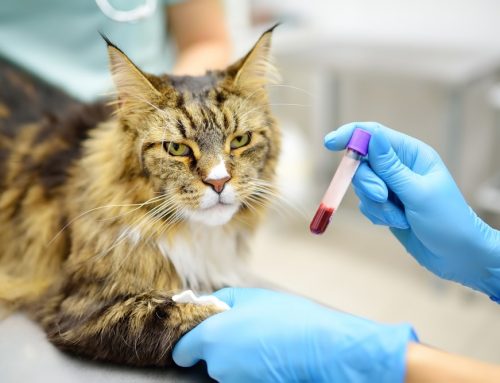
This is where our in-house lab earns its keep. We can turn a complete blood count, chemistry panel, fecal test, and urinalysis around quickly during your appointment, so you leave with answers instead of a waiting game. Annual early-detection screening also builds a baseline, so a metabolic shift shows up as a real change against your pet’s own numbers rather than a guess.
My Senior Is Too Sore to Exercise. How Do We Break the Cycle?
By treating the pain first. Weight and arthritis feed each other: extra pounds grind on the joints while fat itself releases inflammatory signals that make the ache worse, and a sore pet then moves less, loses the muscle that both burns calories and stabilizes the joint, and gains more. Cats run the same loop more quietly, skipping the jump to the counter rather than limping where you would notice. Trying to diet a painful dog into moving more rarely works, which is why pain control is not a comfort measure you add once the weight is off but the thing that makes the weight loss possible at all.
Laser therapy is one of the tools we reach for most here, since it eases joint inflammation without adding another pill to a senior who may already be on several, and we sort out where it fits during geriatric care visits that look at mobility, pain, and body condition together. The loop runs both directions, though: every pound that comes off is a pound no longer loading the joint or feeding the inflammation, which makes weight loss itself one of the most effective arthritis treatments there is.

Common Questions Pet Families Ask Us About Weight
How quickly should my pet lose weight?
Slow and steady is the rule. For most dogs, losing roughly one to two percent of body weight per week is a safe, sustainable pace, and cats generally need to go even slower. Faster than that risks muscle loss, constant hunger, and rebound, and in cats a rapid drop can trigger a life-threatening liver problem. A plan that takes a few months but sticks beats a crash diet that undoes itself, so we set a target pace with you and adjust as we track real numbers over time.
My pet acts starving all the time. Am I underfeeding them?
Usually not. Many dogs and cats beg and act ravenous no matter how much they’ve eaten, because begging is a behavior, not a reliable hunger gauge. If your pet is at a healthy body condition and eating a measured, calorie-appropriate diet, those big eyes are habit and hopefulness, not starvation. Spreading meals into smaller portions, using a puzzle feeder to slow things down, and offering low-calorie treats can all take the edge off without adding weight.
Do I need to change my pet’s food to help them lose weight?
Not always. Some pets do fine on a measured portion of their current diet, and simply feeding the right amount for their ideal weight does the job. Pets with more to lose, or with health issues in the mix, often benefit from a prescription weight-loss diet built to protect muscle. Whichever route fits, make any switch gradually; a slow diet transition over a week or so keeps the stomach settled and avoids trading a weight problem for an upset gut.
Let’s Get Your Pet Moving Easier, Starting Now
A better body condition pays off in ways your pet can feel: easier movement, fewer aches, lower health risks, and more good years alongside you. Getting there rarely takes anything dramatic, just steady, doable changes that fit your home and your routine.
We know how hard it is to say no to a hopeful face at dinner, and we’re not here to judge how you love your pet. When you’re ready, schedule a visit and we’ll score your dog or cat, set goals together, and keep them healthy at every stage.




Leave A Comment