


A Closer Look at the Surgeries Pets Need Most Often
Surgery can sound intimidating, but for many pets, it’s a vital part of staying healthy and pain-free. From preventive procedures like spaying and neutering to complex orthopedic repairs, surgical care often helps pets live longer, more comfortable lives.
At Spring Branch Veterinary Hospital, we know that understanding what’s ahead can make the experience less stressful for both you and your pet. Our Fear Free certified team takes every measure to minimize anxiety and ensure safety, from gold-standard anesthesia and pain control to longer appointment times for thorough discussion and recovery planning. Whether it’s a simple soft-tissue procedure or an urgent situation, our team is here to provide high-quality surgery and guide you every step of the way.
Understanding Common Pet Surgeries
Essential Surgeries: Spaying and Neutering
Spaying and neutering are among the most common and beneficial veterinary procedures.
Spaying prevents unwanted litters and protects female pets from uterine infections (pyometra) while reducing the risk of mammary tumors. Neutering prevents testicular cancer and decreases roaming, marking, and hormone-driven aggression.
The right timing depends on your pet’s breed, size, and lifestyle. During your pet’s wellness exam, we’ll discuss optimal timing, anesthesia options, and recovery care to ensure a smooth experience. Spayed and neutered pets tend to live longer, and the procedure is one of the most effective ways to reduce shelter overpopulation.
Orthopedic Surgeries: Cruciate Ligament Repair
Ligament tears are among the most frequent orthopedic injuries, particularly in active or large-breed dogs. The cranial cruciate ligament in the knee provides stability; when it ruptures, the knee joint becomes painful and unstable.
Procedures such as TPLO surgery or extracapsular stabilization techniques realign the joint, reduce arthritis development, and restore comfortable movement. Pre-surgical radiology and orthopedic exams ensure the correct diagnosis, and post-surgical physical therapy helps dogs rebuild strength safely. With consistent rehabilitation and careful monitoring, most pets regain full mobility and enjoy normal activity again within a few months.
Managing Fractures and Broken Bones
Accidents, falls, or collisions can lead to fractures that require surgical repair. Orthopedic stabilization may involve pins, plates, or external fixators to hold the bone in alignment while it heals. In severe or complicated fractures where repair is not possible, amputation can be a compassionate solution for eliminating pain and improving quality of life.
Animals adapt remarkably well to life on three legs, often regaining agility and confidence after recovery. Our team ensures that pain control, proper wound care, and rehabilitation begin immediately after surgery to promote fast, comfortable healing.
Digestive Tract Surgeries: Removing Foreign Bodies
Dogs and cats are naturally curious and sometimes swallow objects that can’t pass through the intestines. A foreign body obstruction can quickly become life-threatening if untreated.
Our radiology team uses digital X-rays and, when necessary, ultrasound to locate and evaluate the obstruction. If the object cannot pass naturally, surgery is performed to remove it and inspect the surrounding tissue for damage. Postoperative monitoring focuses on hydration, pain relief, and gradually reintroducing food. Prompt treatment often prevents serious complications such as intestinal rupture or peritonitis.
Cancer Treatments: Mass Removals
Cancer is one of the most common conditions we treat in senior pets. Surgical removal of a mass is often the first and most effective step in treatment. Early excision before the tumor spreads can be curative, while larger or more aggressive cancers may require additional therapy such as chemotherapy, radiation, or ongoing monitoring.
During surgery, tissue samples are submitted for biopsy to confirm diagnosis and guide follow-up care. Regular wellness exams and early lump evaluations give pets the best chance for long-term control or cure.
Dental Procedures: Treating Fractured Teeth
Fractured teeth can cause significant pain and lead to infection or abscess formation. Cracked teeth may result from chewing on hard toys, bones, or sudden trauma. Depending on severity, treatment may involve root canal therapy to preserve the tooth or extraction if damage is extensive.
Our dentistry services include digital dental X-rays that allow us to evaluate the tooth roots and bone structure below the gumline. Early diagnosis and treatment relieve pain and protect your pet from more serious systemic infections.
Urinary Tract Surgeries: Cystotomy
Some pets develop bladder stones or urethral blockages that make urination painful or impossible. A cystotomy allows veterinarians to open the bladder, remove stones, and flush the urinary tract clean.
After surgery, prescription diets and regular urinalysis help prevent recurrence by controlling mineral content and urine pH. If your pet is straining or unable to urinate, contact our emergency care team immediately. Untreated blockages can become fatal within hours.
Specialized Care for Brachycephalic Breeds
Brachycephalic dogs such as Bulldogs, Pugs, and Boston Terriers have shortened airways that make breathing more difficult. Many benefit from corrective procedures to widen narrowed nostrils or shorten elongated soft palates.
These surgeries greatly improve airflow, stamina, and overall comfort, particularly in warm climates or during exercise. Post-surgery, pets breathe more easily and experience fewer respiratory emergencies, allowing them to live happier, more active lives.
Hip and Joint Surgeries: Solutions for Dysplasia
Hip dysplasia surgical options vary depending on your pet’s age and the severity of joint damage.
A Femoral Head Ostectomy (FHO) removes the ball of the hip joint, allowing a “false joint” to form, eliminating painful bone contact. In advanced cases, total hip replacement may be recommended for full mobility restoration.
Rehabilitation and weight management are essential after surgery. Our team provides recovery plans tailored to your pet’s needs, including physical therapy and controlled exercise routines to build strength and stability.
Soft Tissue Repair: Lacerations, Bite Wounds, and Abscesses
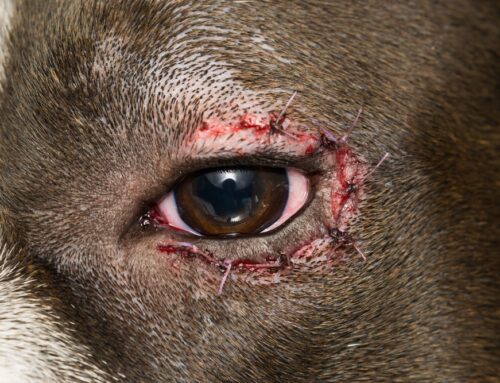
Soft-tissue injuries are among the most common surgical emergencies. Lacerations and bite wounds may appear minor but can trap bacteria beneath the skin, forming abscesses or deep tissue infections.
Surgical cleaning, flushing, and suturing help prevent complications, while antibiotics and wound checks ensure full recovery. For abscesses, we may also perform drainage procedures to remove pus and relieve pressure, improving healing outcomes and comfort.
Post-Operative Care and Recovery
Healing begins as soon as your pet wakes from anesthesia. Our Fear Free approach prioritizes comfort through multimodal pain management that combines anti-inflammatories, local nerve blocks, and laser therapy at Spring Branch.
Owners play a key role in recovery. Keep your pet’s environment quiet, limit jumping or running, and check incisions daily for swelling or redness. An Elizabethan collar prevents licking or chewing. For orthopedic patients, veterinary rehabilitation promotes proper muscle rebuilding and faster healing.
Nutrition and hydration also support recovery. Follow feeding guidelines from your veterinarian, and schedule post-op rechecks so we can ensure healing is on track.

Building a Relationship With Your Veterinary Team
Successful surgery relies on communication and trust. At Spring Branch Veterinary Hospital, we emphasize longer consultations so owners can ask questions and fully understand the procedure, costs, and aftercare. Pre-surgical bloodwork, radiology, and anesthesia monitoring protect your pet’s health every step of the way.
We believe that informed pet owners make confident decisions, and we are here to provide that guidance.
Informed Decisions for a Lifetime of Health
Surgery, when performed with compassion and precision, can dramatically improve your pet’s comfort and longevity. Whether it’s a preventive procedure or an emergency intervention, expert technique and attentive aftercare make all the difference.
At Spring Branch Veterinary Hospital, we combine advanced surgical technology with genuine dedication to pets and their people. If your companion needs a procedure, or if you’d like to discuss preventive options, contact us or request an appointment.
Your pet’s health is our priority, and we’re here to make every visit feel like home.





Leave A Comment