


Entropion and Ectropion Surgery: Relieving Eye Pain and Protecting Your Pet’s Vision
If your dog has been squinting more than usual, or your cat keeps pawing at their face like something is bothering them, you might be noticing the early signs of an eyelid problem. Excessive tearing, redness, avoiding bright light, or discharge that keeps coming back can all point to issues with how the eyelid is positioned against the eye. So what exactly causes these problems, and can they be fixed? Entropion (when the eyelid rolls inward) and ectropion (when it droops outward) are both highly treatable conditions, and surgical correction can bring lasting relief and protect your pet’s vision.
At Spring Branch Veterinary Hospital, our Fear Free certified team provides thorough eye examinations, clear communication about what we find, and tailored surgical care when it is needed. We take time to explain your options, plan for a smooth recovery, and keep your pet as comfortable as possible throughout the process. If you are concerned about your pet’s eyes, please request an appointment so we can take a closer look.
What Are Entropion and Ectropion?
These two conditions affect how the eyelid sits against the eye, and each creates different problems.
Entropion is an inward rolling of the eyelid margin. When the lid turns in, the fur and eyelashes rub directly against the cornea with every blink. This constant friction causes pain, squinting, excessive tearing, and redness. Over time, that rubbing can lead to corneal ulcers (painful open sores on the eye’s surface) or permanent scarring that affects vision. Entropion in dogs can be present from a young age due to genetics, or it can develop later in life from chronic eye inflammation, injury, or age-related tissue changes.
Ectropion is the opposite problem. The eyelid sags or droops outward, exposing the delicate inner lining to air, dust, debris, and bacteria. This leaves the eye unprotected and prone to chronic irritation, dryness, and recurrent infections. Ectropion is especially common in breeds with naturally loose facial skin and droopy lower lids.
Both are common eye conditions we see in veterinary practice, and accurate diagnosis matters because multiple eye issues can overlap. A thorough evaluation looks at eyelid position, tear production, corneal health, and whether lash abnormalities are contributing. If you have noticed changes in your pet’s eyes, contact us to schedule an examination.
Which Breeds Are Most at Risk for Eyelid Problems?
Genetics and facial structure play a significant role in whether a pet develops entropion or ectropion, hereditary eyelid conditions can run in certain breeding lines. Some animals are born with these tendencies, while others develop problems later in life.
Breeds prone to entropion (inward rolling) include Shar-Peis, Chow Chows, English Bulldogs, Rottweilers, Great Danes, Saint Bernards, Mastiffs, Labrador Retrievers, and various Spaniel breeds. The combination of extra facial skin, deep-set eyes, or heavy brow folds contributes to the lid rolling inward. In cats, flat-faced breeds like Persians and Himalayans are more commonly affected, often later in life or alongside other eye surface problems.
Breeds prone to ectropion (outward drooping) include Bloodhounds, Basset Hounds, Saint Bernards, Cocker Spaniels, Great Danes, and Newfoundlands. These breeds naturally have loose lower lids that leave the eye more exposed to the environment.
Some breeds can develop both conditions at the same time, sometimes called “diamond eye,” where both the upper and lower lids are malpositioned. Beyond breed, other factors contribute to eyelid problems: age-related tissue loosening, chronic eye inflammation, previous injuries, and pain-induced squinting that can temporarily mimic true entropion. Our pet wellness visits include eye checks and breed-specific guidance so we can catch these issues early.
What Symptoms Should Prompt a Veterinary Visit?
If you notice any of the following signs, your pet’s eyes need attention sooner rather than later. These are not just cosmetic concerns. They indicate signs of eye pain that should be evaluated promptly.
- Excessive tearing or mucus discharge
- Squinting, blinking frequently, or holding one eye partly closed
- Pawing at the face, rubbing against furniture, or avoiding bright light
- Red or swollen inner eyelid tissue
- Visible rolling of the eyelid inward or outward
- Corneal cloudiness, color changes, or brown/black spots on the eye surface
- Crusting around the eyes or recurrent infections
Cats are especially good at hiding discomfort, so even subtle changes in behavior around the eyes are worth checking. If these signs sound familiar, please request an appointment so we can help quickly.
What Happens If Eyelid Conditions Go Untreated?
Without treatment, both entropion and ectropion can lead to serious secondary problems.
Entropion complications: The constant friction of lashes against the cornea can cause corneal ulcers, which are painful open sores that may become infected and threaten vision. Chronic irritation also leads to scarring and pigmentation changes on the cornea, potentially causing permanent vision impairment even after the eyelid is corrected.
Ectropion complications: The exposed lower lid leaves the eye vulnerable to dust, debris, and bacteria, resulting in chronic conjunctivitis, recurrent infections, and persistent eye discharge. The exposed tissue can dry out and sustain further damage over time.
The longer these conditions go unaddressed, the more complicated treatment becomes. If your pet is showing symptoms, do not wait to see if things improve on their own. Contact us to schedule an evaluation.
How Do Veterinarians Diagnose Eyelid Abnormalities?
A thorough eye examination is the foundation of diagnosis. We evaluate eyelid position, the corneal surface, tear production, and whether lash abnormalities are contributing to the problem. Applying topical anesthetic helps us distinguish between pain-related squinting (spastic entropion) and true structural problems, because some pets squint so hard from discomfort that the lid appears to roll inward even when the underlying anatomy is normal.
The diagnostic process includes several ocular tests:
- Visual inspection of the lids and lashes before and after applying numbing drops
- Schirmer tear test to measure tear production
- Fluorescein stain to check for corneal scratches or ulcers
- Magnified examination to look for eyelash problems like extra lashes (distichiasis) or misdirected lashes that can mimic or be caused by entropion
- Assessment of overall facial structure and breed conformation
Both eyes are evaluated even if one looks worse, because eyelid conditions often affect both sides to varying degrees. If an urgent issue arises during business hours, we offer emergency care for prompt eye exams.
What Are the Treatment Options for Eyelid Conditions?
When Are Temporary Measures Appropriate?
Not every case requires immediate permanent surgery. Temporary eyelid tacking uses small sutures to hold the eyelid in a more normal position, providing relief while we determine the best long-term plan. This approach is especially useful for:
- Puppies whose faces are still growing and whose final anatomy is not yet clear
- Pets with spastic entropion caused by eye pain, where treating the underlying discomfort may resolve the lid position
- Situations where we need to see how the eye responds before committing to permanent correction
Tacking can be repeated if needed, and permanent surgery is recommended once growth stabilizes or the structural nature of the problem is confirmed. Learn more about our approach to surgery.
How Does Permanent Surgical Repair Work?
When eyelid conditions are clearly structural and the pet has finished growing, definitive surgery offers a lasting fix. The specific technique depends on the pet’s condition, species, and individual anatomy.
For entropion, a carefully measured strip of skin is removed to roll the eyelid margin outward, away from the cornea. For ectropion, the lid may be shortened or tightened to reduce the droop and better protect the eye. Eyelid surgery is customized to breed and facial structure, with a conservative approach preferred to avoid overcorrection. It is better to undercorrect slightly and make small adjustments later than to remove too much tissue and create the opposite problem.
What About Entropion in Cats?
Cats often present differently than dogs with eyelid problems. Entropion in cats frequently appears later in life rather than at birth and may occur alongside other eye surface problems like chronic herpesvirus infection or corneal sequestra. Feline eyelids are delicate, so surgical plans are conservative and sometimes involve a combination of techniques tailored to the individual cat’s situation.
If you have questions about your cat’s eyes, we are happy to discuss options.
What Should You Expect on Surgery Day?
Surgery days are designed to feel calm and predictable for both you and your pet. Here is what happens:
- Before surgery: We confirm the surgical plan, review any recommended pre-surgical bloodwork, and answer your questions. Your pet receives a customized anesthesia protocol based on their age, breed, and health status.
- Pain management: Comfort care begins before the procedure with pre-emptive pain medication, not as an afterthought.
- During surgery: A dedicated team monitors heart rate, breathing, blood pressure, and body temperature continuously. Using fine instruments and magnification, we handle tissues precisely to achieve a smooth, safe correction.
- Communication: We keep you updated throughout the process so you know how things are going.
- Recovery: Most pets wake up comfortably and go home the same day once they are alert and settled.
Our approach to surgery is focused on keeping your pet safe and pain free, using modern, personalized anesthesia protocols with our expert team members carefully monitoring your pet throughout the process. Meet our team to see who will be caring for your pet.
What Does Recovery Look Like After Eyelid Surgery?
The First Few Days
Expect some swelling and bruising near the incision, usually peaking around 24 to 48 hours after surgery. The sutures may look more noticeable at first, and a small amount of clear discharge is normal.
Normal signs:
- Mild swelling and bruising around the eye
- Your pet being sleepy or subdued from pain medication
- Minor clear discharge
Signs that warrant a call:
- Rapid or worsening swelling
- Thick yellow or green discharge
- Bleeding from the incision site
- Loose or missing sutures
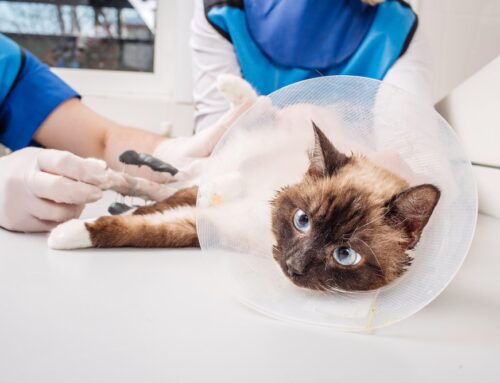
The Elizabethan collar (cone) is absolutely essential during recovery. We know pets don’t love it, but it prevents rubbing and scratching that can damage the surgical site. Keep the cone on at all times unless you are directly supervising your pet.
Giving eye medications can feel tricky at first, but guidance on administering eye medications makes the process easier. Follow the medication schedule exactly as prescribed, and reach out if you are having trouble. If you need support during recovery, please contact us.
Healing Timeline and Follow-Up Care
Initial healing takes approximately 10 to 14 days, at which point sutures are typically removed. The final eyelid position continues to settle over the following weeks as swelling fully resolves. Recheck appointments confirm proper healing and allow us to address any concerns.
A conservative surgical approach aims for optimal results without overcorrection, but small revisions are occasionally recommended if needed. Growing animals may need periodic monitoring as their faces mature to ensure the correction remains appropriate.
What Outcomes Can You Expect From Eyelid Surgery?
Eyelid surgery has a strong track record when performed by an experienced veterinary team. Most pets experience immediate improvement in squinting, rubbing, and tearing, with life-changing relief from chronic discomfort.
Factors that affect outcomes include:
- Severity of the eyelid malposition before surgery
- Overall eye health prior to the procedure (existing ulcers or scarring)
- Pet’s age and whether facial structure has fully matured
- Quality of home care during recovery, especially cone compliance
Be aware that pre-existing corneal scarring or pigmentation may not completely resolve after surgery. However, pain relief and protection from further damage are achieved, which is the primary goal. For show dog owners, some breed registries have rules about surgical corrections, so it is worth checking before scheduling.

Frequently Asked Questions
What is the difference between entropion and ectropion?
Entropion rolls the eyelid inward so fur and lashes rub against the cornea, causing pain and potential ulcers. Ectropion droops the lid outward, exposing delicate tissue to air, debris, and infection.
How do I know if my pet needs surgery?
If the eyelid consistently rolls in or droops out and causes irritation, discharge, corneal damage, or chronic infections, surgery is usually recommended after a thorough examination confirms the structural problem.
Can puppies grow out of entropion?
Some young dogs improve as their faces mature, and temporary tacking can provide relief during this growth period. We reassess once development stabilizes before recommending permanent surgery.
How long does recovery take?
Most pets heal in 10 to 14 days, with final eyelid position settling over a few weeks. The Elizabethan collar and medications are essential for smooth healing.
Will my pet’s vision be affected?
Surgery protects vision by stopping ongoing damage to the cornea. Pre-existing scarring may remain, but it often does not affect daily life, and the relief from pain is significant.
Let Us Help Your Pet See Comfortably Again
Entropion and ectropion can be stressful to discover, but with timely diagnosis and precise surgical correction, most pets return to a comfortable, active life. Our Spring Branch Veterinary Hospital team combines advanced anesthesia and pain control with kind, attentive communication so you feel supported at every step.
Trust your instincts if your pet is squinting, tearing, or rubbing at their eyes more than usual. Early intervention makes treatment simpler and protects your pet’s vision for the long term. If you are ready to get answers, please request an appointment or contact us with questions. Our Fear Free certified team is here to help, guide, and partner with you in your pet’s eye care.


Leave A Comment