


The Dog Daycare Must-Haves: Ensuring Your Pet’s Safety and Health
Daycare promises socialization and exercise while owners work, but the quality of that experience depends entirely on facility management. Are vaccines verified through veterinary records or accepted on owner word? How quickly can staff intervene when play becomes too rough? What training do handlers receive in dog behavior and stress signals? Is there a quiet space for dogs who need breaks from stimulation? The answers to these questions determine whether daycare enriches dogs’ lives or creates problems that manifest at home.
Spring Branch Veterinary Hospital in Texas brings Fear Free principles to daycare preparation and evaluation. We take time during appointments to discuss whether daycare suits your dog’s temperament and what vaccination requirements responsible facilities should enforce. Our Fear Free certification means we understand how stress affects behavior, and we help families recognize when daycare enhances wellbeing versus when it creates anxiety. Through our wellness programs and vaccination services, we ensure dogs meet health requirements for safe group play. Request an appointment to discuss daycare readiness, ask about our boarding services, or address behavioral concerns that developed after starting group programs.
What to Expect When Considering Daycare for Your Dog
The choice to enroll your dog in daycare brings excitement and questions. You hope for friends and fun, but you also want safety and a good fit for your dog’s personality. Those concerns are valid.
Great facilities do more than supervise. They manage group dynamics, watch stress signals, and step in early when play gets too rowdy. Staff training, group size, and health rules often separate the best operations from the rest.
We evaluate daycare readiness during longer appointments, covering temperament, social history, and health factors. As part of pet wellness, we help you decide if daycare aligns with your dog’s needs.
Why Structured Socialization Matters
Benefits of supervised group play
In a well-run program, dogs build social skills, burn energy, and gain confidence. Socializing your dog in a controlled setting teaches good play manners and reduces boredom behaviors at home.
Quality facilities introduce new dogs gradually and group them by size and play style. Continuous, active supervision keeps play fun and safe, which often improves behavior on walks and at the vet.
When group settings aren’t a match
Not every dog loves daycare, and that’s okay. Some prefer people time or one dog friend. Others feel overwhelmed by noise and constant motion. Understanding dog tolerance helps you tell enjoyment from mere tolerance.
Watch for stress signs like hiding, avoiding play, panting, or trying to escape. Senior dogs or those with pain or anxiety often do better in quieter settings. Forcing it can backfire and increase stress.
In our pre-daycare evaluations, we review temperament and history to decide if group play helps or harms. Our Fear Free approach meets each dog where they are and offers alternatives, like boarding at our practice, when needed.
How to Evaluate Daycare Facilities Before Enrollment
What quality and safety look like
Tour before you enroll. Ask about staff-to-dog ratios, grouping by size and energy, and training in stress signals and first aid. Look for clear policies on separating dogs, medical emergencies, and rest periods.
Facilities should require veterinary proof of vaccines, track health records, and enforce illness policies. Clean play areas, fresh water, and quiet zones for breaks are musts. Ask how they handle meds, special diets, and incident reporting.
Transparent answers and proactive communication signal professionalism.
Watch a playgroup
Observe for balanced, voluntary play with frequent pauses and role reversals. Safe group play includes relaxed canine body language: loose bodies, wiggly movement, and soft faces.
Staff should redirect when play gets one-sided, energy spikes, or a dog looks stressed. If dogs hide, get chased nonstop, or rough play goes unchecked, keep looking.
We coach families on what to look for during tours and common red flags. Meet our team for guidance that boosts your confidence that you are making decisions in your dog’s best interest.
Vaccination and Health Requirements
Core protections and parasite prevention
Responsible facilities require rabies, DHPP or DAPP, and Bordetella. Many also require canine influenza and recommend leptospirosis due to severity and human risk. These protect every dog in the room.
Year-round parasite prevention helps prevent fleas, ticks, and intestinal parasites. Routine fecal tests catch infections early. Sick dogs should stay home until symptom-free per policy.
We follow AVMA, AAHA, and AAFP guidelines and provide vaccination services with the paperwork daycares expect. Our vaccination strategies are based on current best practices, and we have a strong track record in kennel cough prevention in our own boarding facility. At Spring Branch Veterinary Hospital, our staff is trained to recognize kennel cough symptoms early and direct possible cases to an isolation exam room to protect other pets. We require all dogs staying for boarding, grooming, or out-patient procedures to be current on Rabies, Bordetella, and DA2PP vaccinations, the same standards quality daycares should enforce.
Common Illnesses in Group Settings
Parvovirus
Canine parvovirus spreads easily and survives in the environment. It causes vomiting, bloody diarrhea, and dehydration, especially in puppies and unvaccinated dogs. Facilities should verify vaccination, sanitize properly, and isolate any dog with GI signs.
Be especially careful with puppies who haven’t completed their full vaccine series- while daycare seems appealing for socialization and burning off that chaotic puppy energy, it can expose them to potentially deadly diseases. Stick with puppy classes that have small groups of puppies only, with strict vaccination and cleanliness requirements, and on floors that can be bleached.
We offer rapid in-house testing with a quick, accurate, and relatively inexpensive fecal test for Parvovirus, along with supportive care when parvo is suspected.
Leptospirosis
Dogs can catch leptospirosis from contaminated water or surfaces. It can damage the kidneys and liver and is contagious to people. Symptoms include fever, vomiting, lethargy, and changes in thirst and urination.
Vaccination reduces risk. Clean water, no standing puddles, and quick vet care are key. We recommend lepto vaccination for daycare dogs when lifestyle suggests exposure.
Oral papilloma virus
Young dogs can get oral papilloma virus through direct contact or shared toys. Warty mouth growths usually resolve on their own but spread easily. Dogs with lesions should stay home.
Facilities should check mouths at intake and disinfect toys and bowls. We identify lesions during wellness exams and advise on return timing.
Respiratory infections
Kennel cough and canine influenza are part of the canine respiratory disease complex. Symptoms include coughing, sneezing, and nasal discharge. Vaccines reduce severity and spread. Good ventilation and quick isolation help.
If your dog develops a cough after daycare, we can evaluate and treat through our emergency services during business hours.
Parasites and Skin Conditions
Internal parasites and Giardia
Giardia spreads via contaminated surfaces and water, causing diarrhea and weight loss, though some dogs show no signs. Regular fecal testing and quick treatment protect the whole group. Daycares should clean up waste promptly and keep water bowls sanitary.
We include fecal testing in wellness programs and treat common parasites seen in group settings. Our laboratory testing includes intestinal parasite testing to detect infections early, and we recommend testing at least once or twice a year for daycare dogs.
Ringworm, fleas, and mange
Ringworm causes circular hair loss and scaly skin. Fleas spread rapidly in close quarters. Sarcoptic mange leads to intense itching and crusting. All of these can be easily transmitted from dog to dog.
Affected dogs should be removed and treated, and environments deep-cleaned. Staff should check dogs at intake for skin issues. We diagnose and treat these conditions and guide safe return to daycare. We carry oral, topical, and injectable forms of parasite prevention including Trifexis, Proheart, and Heartguard to protect against fleas and other parasites commonly encountered in group settings.
Common Daycare Injuries
Eye irritation
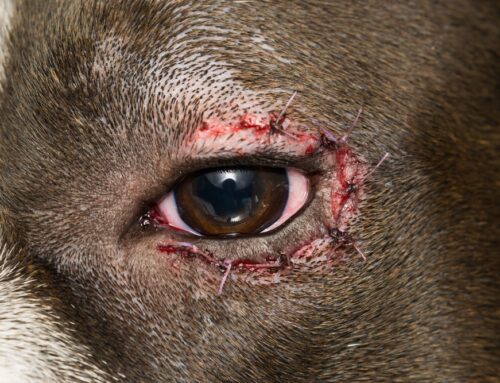
Running, rough play, or debris can trigger eye irritation and conjunctivitis. Signs include redness, discharge, and squinting. Same-day vet care helps prevent corneal ulcers and infection.
Facilities should avoid brushy areas and notify you at the first sign of eye discomfort. We offer prompt exams and treatment.
Bite wounds and scratches
Even in careful settings, scuffles happen. Bite wounds can seal on the surface while trapping bacteria beneath, leading to infection. Scratches can also get infected without proper cleaning.
All bites and deep scratches deserve an exam. Facilities should document incidents and inform you right away. We provide wound cleaning, antibiotics when needed, and imaging if deeper damage is suspected.

Preparing Your Dog for a Positive Daycare Experience
Trial days and honest communication
Most facilities offer trial sessions to gauge fit. Share your dog’s history honestly, including anxiety, previous incidents, pain, or meds. This helps staff tailor care and avoid problems.
We provide behavioral consults before enrollment and advise what facilities need to know. For seniors or dogs with pain, our experience in chronic care helps you choose safe options.
Build positive associations
Start with short visits and calm, quick drop-offs. Consistent routines reduce anxiety. For dogs with arthritis or limited stamina, consider shorter days or gentler play options, and tell staff what works best.
We can create transition plans and check in during wellness visits to ensure daycare remains a good fit.
FAQs
How do I know if my dog actually enjoys daycare?
Look for relaxed body language, eager drop-offs, and balanced play with breaks. If your dog hides, clings, or comes home exhausted and cranky, it may not be a good fit.
What vaccines do most daycares require?
Rabies, DHPP or DAPP, and Bordetella are common. Many also require canine influenza and recommend leptospirosis. Ask the facility for their exact list.
How often should my dog have a fecal test?
At least once or twice a year for daycare dogs, or sooner if there’s diarrhea or exposure concerns.
What are red flags during a tour?
Overcrowded groups, little staff engagement, dirty water bowls, no rest areas, and vague answers about incident reporting or illness policies.
Can my senior dog go to daycare?
Sometimes. Choose smaller, calmer groups and shorter stays. Talk with us about mobility or pain before enrolling.
What should I do if my dog gets a cough after daycare?
Isolate from other dogs and contact us. We’ll guide next steps and treatment through our emergency services during business hours.
Your Veterinary Team for Daycare Success
A great daycare keeps dogs safe, healthy, and happy through trained staff, smart grouping, and clear health policies. Your dog’s individual temperament matters as much as the facility’s rules. With the right fit, daycare can build confidence and reduce problem behaviors. If it isn’t the right match, there are excellent alternatives.
Have questions about readiness, vaccines, or picking a facility? Contact us or request an appointment. We’re here to guide you, partner in your pet’s care, and help ease your worries so your dog can thrive.





Leave A Comment